Key takeaways
- Write a clear spec first — product, composition, GSM, sizes, quantity, target price, delivery and destination.
- Shortlist 3–5 suppliers and know whether each is a manufacturer, trading company or buying house.
- Verify, don’t trust — check registration, factory evidence and certificates with the issuing body.
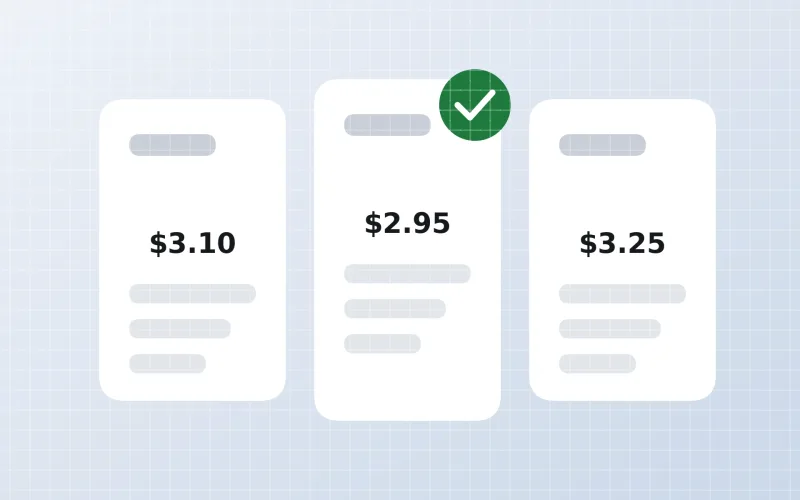
- Compare full quotations, not just unit price: MOQ, lead time, trade terms and payment terms.
- Start with samples and a small order, and inspect before final payment.
1. Define your requirement
Suppliers can only quote accurately when they know exactly what you need. A one-page specification also makes quotations easy to compare. Include at least:
| Product | specification |
|---|---|
| Product | Men’s crew-neck T-shirt |
| Composition | 100% combed cotton, single jersey |
| Fabric weight | 180 GSM |
| Sizes / colours | S–XXL · 4 colours |
| Quantity | 5,000 pcs per colour |
| Target price | US$ 2.40–2.80 / pc FOB |
| Delivery | Within 60 days of sample approval |
| Destination | Hamburg, Germany |
| Certificates | OEKO-TEX Standard 100 preferred |
| Packing | Individual polybag, 24 pcs / carton |
2. Search and shortlist
Use more than one channel so you can compare suppliers from different countries and price levels:
- B2B marketplaces — search textile companies by category and country, and read company profiles.
- Trade associations — national bodies publish member lists of manufacturers and exporters.
- Trade fairs — meet suppliers in person and see fabrics and finishing quality.
- Referrals — ask other buyers, freight forwarders and inspection companies.
Aim for a shortlist of three to five suppliers whose main products, capacity and markets match your order.
3. Know who you’re dealing with
The type of supplier changes price, control and risk. None is “best” — choose what fits your order size and experience.
| Type | Best for | Watch out for |
|---|---|---|
| Manufacturer | Larger orders, direct control of quality and lead time, best factory price | Higher MOQs; may handle only part of the process |
| Trading company | Mixed product ranges, smaller quantities, one contact for many items | Added margin; less visibility of the actual factory |
| Buying house / sourcing agent | Buyers without local staff; sampling, follow-up and inspection support | Commission costs; check how they select and monitor factories |
4. Check the company
Before you share designs or pay anything, confirm the supplier is real and capable:
- Business registration — ask for the registration or trade licence and check the company name and address match.
- Factory evidence — recent photos, a live video call of the production floor, or a third-party audit report.
- Certificates — get the certificate number and scope, then confirm it on the issuing body’s public database or label check. Make sure your product and the factory site are covered and the certificate is valid.
- Compliance audits — if your market requires it, ask for social audit results such as amfori BSCI, Sedex/SMETA or WRAP.
- References — speak to one or two existing buyers, ideally in your region.
5. Request and compare quotations
Send the same spec to every shortlisted supplier and compare like for like:
| Compare | Why it matters |
|---|---|
| Unit price and currency | Check what is included: fabric, trims, printing, packing |
| Trade terms (FOB, CIF, EXW, DDP) | Decides who pays freight, insurance and duties — see Incoterms guide |
| MOQ | Per style, per colour or per order — it changes your real cost |
| Lead time | Sampling time plus bulk production and shipping |
| Payment terms | Deposit, balance and method — see payment terms guide |
6. Approve samples
Order samples from your best two or three suppliers. For coloured goods, approve a lab dip (small dyed swatch) before bulk fabric is dyed. Check fit, measurements, fabric weight, colour and finishing against your spec, and keep a signed “golden sample” as the reference for production.
7. Start small and inspect
Place a smaller first order to test reliability. Agree in writing on quality standards, packing and the inspection method. A pre-shipment inspection using an AQL sampling plan checks a random sample of finished goods before you pay the balance — see AQL guide.
Red flags to watch for
Frequently asked questions
How do I know if a textile supplier is reliable?
Check the business registration, export history and factory evidence (photos, video call or audit report), confirm certificates with the issuing body, ask for buyer references, and start with samples and a small first order.
What is the difference between a manufacturer and a trading company?
A manufacturer owns the production facilities and controls quality and lead times directly. A trading company or buying house sources from several factories; it can offer more product variety and smaller orders but adds a margin and one more step between you and the factory.
How many suppliers should I shortlist?
Most buyers request quotations from three to five suppliers, then order samples from the best two or three before choosing one for the first order.
How can I check a textile certificate like GOTS or OEKO-TEX?
Ask for the certificate number and scope, then confirm it on the issuing body’s public database or label check tool. Make sure the product you are buying and the factory site are covered and the certificate is still valid.
What payment terms are safest for a first order?
A letter of credit (L/C) gives both sides bank-backed security. Many buyers also use T/T with a deposit, for example 30% in advance and 70% against shipping documents, after a pre-shipment inspection.
This guide explains how Textilepages works and common trade practice. It is general information, not legal, financial or customs advice.