



.jpg)






 China
What are textile raw materials?
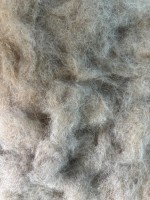
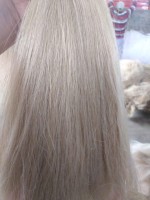
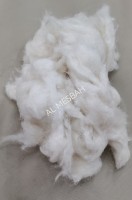
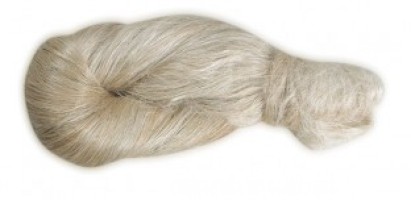
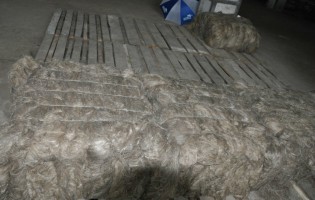
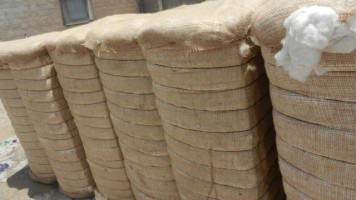
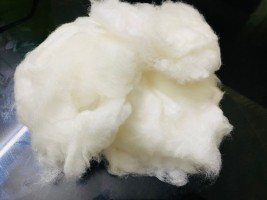
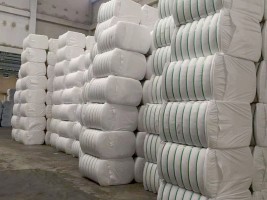
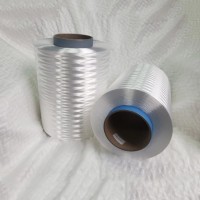
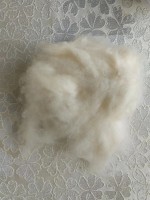
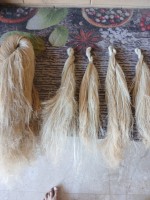
Textile raw materials are the fibres that spinning, nonwoven and filling plants turn into yarn or fabric. They come from plants, animals or chemical processes. Buyers judge them by fibre type, length, fineness, strength and cleanliness, because those set the quality of every later stage.
Natural and synthetic fibres compared
| Fibre | Source | Specs buyers check | Common uses |
|---|---|---|---|
| Cotton | Plant seed hair | Staple length, micronaire, strength, trash | Knit and woven yarn |
| Wool | Sheep fleece | Micron, staple length, yield | Knitwear, suiting |
| Silk | Silkworm cocoon | Grade, denier, evenness | Luxury fabric |
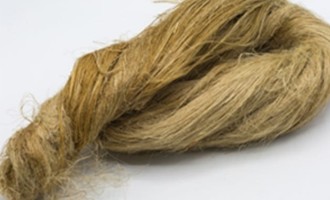
| Hemp and jute | Plant stem | Fibre length, colour | Rope, bags, blends |
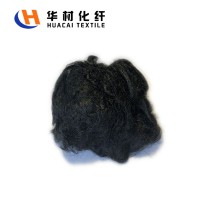
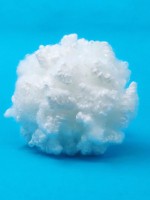
| Polyester staple | Petroleum-based polymer | Denier, cut length, lustre | Blended yarn, filling |
| Viscose and lyocell | Regenerated wood pulp | Denier, cut length, whiteness | Soft blends, nonwovens |
| Recycled polyester | Used PET bottles or textile waste | Denier, colour, certificate | Eco yarn, filling |
How big the fibre market is: Global fibre production reached about 132 million tonnes in 2024, according to Textile Exchange's Materials Market Report 2025. Polyester made up 59% of that total, while cotton's share fell to 19%. Buyers looking for recycled feedstock can start with recycled fiber suppliers.
What sets textile fibre price Cotton prices follow crop size and global benchmarks such as ICE cotton futures. Synthetic fibre follows oil and chemical feedstock costs. Grade, contamination, exchange rates and freight then shift each quote. Ask how long a price is valid, because fibre markets move fast.
- Send a spec sheet with fibre type, grade and the values you need.
- Ask for a test report, such as an HVI report for cotton.
- Check a sample before you sign the contract.
- Agree the arbitration rules and the lab that settles disputes.
Buying fibre in bulk
Spot or forward Spot lots are fibre already in a warehouse, ready to ship. Forward contracts fix a price today for delivery in later months. Mills use forward buying to lock costs, while spot lots fill sudden gaps. Ask the seller which it offers and how it handles quality claims.
Contamination: Plastic, jute and coloured fibres in cotton bales cause costly defects in white yarn. Ask about picking and contamination control at the gin, and inspect a sample bale on arrival.
Related pages: Compare producers and traders on the textile fibre suppliers page. Traders can read requests from textile fibre buyers. Spinners selling the next stage can list under yarn wholesale. For other categories, see textile products or the buyer's sourcing guide.
Updated November 2026