










 Bangladesh
 Pakistan
 China
 India
What are textile chemicals?
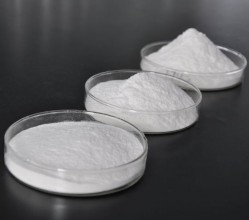
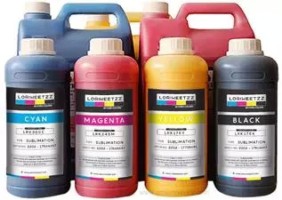
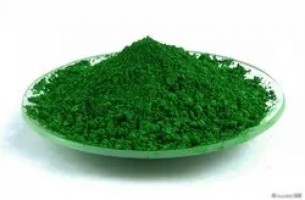
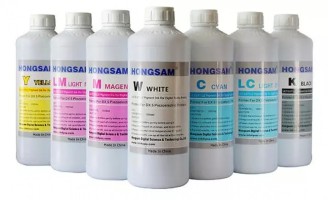
Textile chemicals are the dyes, pigments and auxiliaries used to clean, colour and finish fibre, yarn and fabric. Auxiliaries are helper chemicals that make each process work, such as wetting agents or softeners. Every wet-processing step in a mill uses them.
Types of textile chemicals
| Stage | Chemicals | Purpose |
|---|---|---|
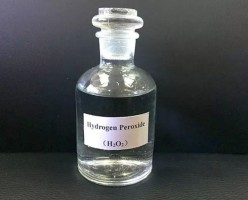
| Pretreatment | Detergents, wetting agents, enzymes, peroxide stabilisers | Clean and prepare fabric |
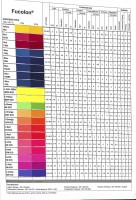
| Dyeing | Dyes, salt, alkali, levelling agents | Add colour evenly |
| Printing | Pigments, binders, thickeners | Print designs |
| Finishing | Softeners, resins, water repellents, flame retardants | Change feel or function |
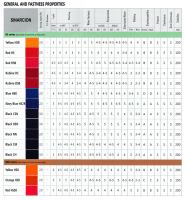
| After-treatment | Fixing agents, soaping agents | Improve colour fastness |
Matching dye class to fibre: Cotton and other cellulose fibres take reactive, vat or direct dyes. Polyester needs disperse dyes at high temperature. Wool, silk and nylon take acid dyes. Blends often need two dye classes, so tell suppliers the full fibre content.
Compliance: Many brands require chemicals that meet the ZDHC Manufacturing Restricted Substances List (MRSL). Buyers selling into the EU must also respect REACH rules. Ask suppliers for a declaration of conformity and keep it with each batch record. ZDHC also runs a gateway where suppliers list conforming products.
Storage and shelf life: Many dyes and auxiliaries have a limited shelf life. Store them dry, sealed and away from heat. Use stock in order of arrival, and test old batches before use. Keep the safety data sheet next to the stock and date every opened container.
Trials before switching: Run a lab trial, then a small bulk trial, before you replace a chemical in production. Compare shade, fastness, hand feel and cost per kilo of fabric against your current product. Keep the trial results with the supplier's data sheets.
Water and effluent: The chemicals you choose affect your effluent treatment. Ask suppliers for biodegradability data and any ZDHC listing.
What sets textile chemicals price?
Strength or concentration, purity, pack size, order volume and origin drive price. Dyes are often sold by strength against a standard, so a cheaper dye can need a higher dose. Compare cost per kilo of finished fabric, not per kilo of product.
Related pages: See chemical makers on the textile dyes and chemicals page. Sellers can read requests from textile chemical buyers. For a regional base, see textile chemical suppliers in Turkey. Dye houses buying equipment can browse textile dyeing machine listings. Makers of colourants can list under dye intermediates. Return to textile products for the full range, and see the buyer's sourcing guide for trial orders.
Updated November 2026